


A urinary tract infection that causes inflammation of the bladder is a “woman-faced” condition.The manifestation of cystitis in men is a rather rare phenomenon and occurs mainly in men who have exceeded the forty-year mark.

The atypicality of male cystitis is explained by the structure of the male urethra.The male urethra has a longer, narrower, and curved structural anatomy that helps contain infections in the urethra and prevent them from entering the natural urinary reservoir.The occurrence of cystitis in men is promoted by infravesical barriers - diseases that cause hydronephrosis.It is very important to start treating cystitis in men in a timely manner when the first symptoms appear.You should not postpone the question of how to treat a cystitis and let the process take its course - it is fraught with complications.
Causes of cystitis in men
Like any illness, a bladder infection in men usually occurs for a reason.Most often it is a secondary disease that occurs against the background of an illness.The thing is that the urethra (urethra) in men has a relatively large length, as well as a narrow and curved shape.For this reason, infections from outside practically do not enter the bladder.This is only possible for urological procedures.Most commonly, however, it can get there via lymphatic or blood vessels from nearby organs (e.g. the urethra or prostate).The causative agents of an infection can be viruses, bacteria and individual fungi (Candida).
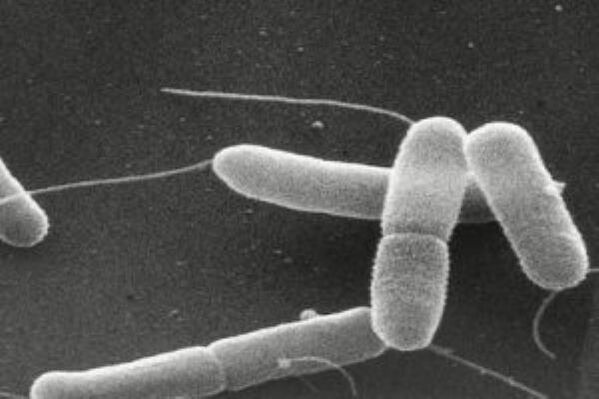
However, considering that the bladder has excellent cleaning abilities and immunity, it becomes clear that bacteria alone are not enough.Because almost all infections that enter the bladder are usually excreted in the urine or can be completely destroyed by immune cells, the human body's best guardians.Therefore, cystitis can develop in men due to stagnation of urine.The fact is that when pathogenic bacteria remain in the bladder for a long time, they begin to settle on the surface of the mucous membrane.They start to stick to it at the first opportunity, for example, with a cold, which is usually accompanied by a decrease in immunity.The penetration of bacteria into the mucous membrane leads to the outbreak of the disease.
Violation of the urinary passage (urinary stasis in the urinary tract) occurs most often in two cases.Sometimes narrowing of the urethra occurs due to an inflammatory process (usually after sexually transmitted infections) or an enlargement of the prostate gland can be diagnosed (with adenoma or prostatitis).Cystitis can occur in both acute and chronic forms.It can also vary in the way it affects the bladder wall.In this sense, a distinction is made between catarrhal cystitis, which occurs with swelling and redness of the mucous membrane, purulent cystitis, hemorrhagic cystitis with bleeding, ulcerative cystitis and necrotic cystitis, which is characterized by tissue death.
Symptoms of cystitis in men
Acute cystitis
The symptoms of acute cystitis in men are very similar to the symptoms of acute prostatitis.Both the first and second diseases begin with painful sensations in the lower abdomen.In addition, in both cases there is a frequent and painful urge to urinate.And since these two diseases often occur simultaneously in men, the patient himself cannot distinguish between them.
In acute cystitis, one of the symptoms is the release of a very small amount of urine.This occurs by stimulating nerve receptors located in the inflamed lining of the bladder.With acute cystitis, the urine becomes cloudy, which is due to the presence of a large number of leukocytes or pus.You may also notice a small amount of blood coming out after urinating.Often this phenomenon can occur constantly.In medicine, this form of cystitis is called hemorrhagic.
The man's general condition also worsens.He feels weak, unwell, lethargic and sometimes the temperature may rise.If acute cystitis is not treated, all signs disappear after a week.But the infection itself doesn't go away anywhere;it contributes to the transition of acute cystitis to chronic.
A complication of cystitis in men is often pyelonephritis, which means inflammatory kidney disease.The infection can ascend through the ureters to the kidneys if urine stagnates in the bladder.
Chronic cystitis
With chronic cystitis, a man may either not feel any symptoms, or feel their frequent or constant, but not very pronounced, manifestations.With chronic cystitis, a man often experiences frequent or constant symptoms, often mixed with symptoms of prostate disease.
Patients with chronic cystitis usually suffer from moderate pain in the lower abdomen and frequent and painful urination.This is because the disease progresses over a long period of time, the bladder shrinks and a large amount of urine cannot be collected in it.
Diagnosis of cystitis in men

Men with suspected cystitis are recommended to be examined by a urologist.The doctor carries out:
- palpation of the scrotum;
- Examination of the genitals and prostate;
- bacteriological culture of a smear from urethra and urine;
- PCR scraping to detect sexually transmitted infections;
- general urinalysis.
With the help of examinations, a specialist confirms or denies the involvement of orchiepididymitis, phimosis or prostatitis in the occurrence of cystitis.The detection of leukocytes, red blood cells, epithelium and mucus in the urine in large quantities indicates the presence of an inflammatory process.In tuberculous cystitis, an acidic urine reaction occurs.
Uroflowmetry is used to exclude organic obstruction and urodynamic examination confirms or excludes detrusor sphincter dyssynergia.Patients with an acute form of the disease are prescribed an ultrasound scan of the kidneys and prostate.Patients with a chronic form of the disease are prescribed cystoscopy.An endoscopic examination can detect tumors, stones, foreign bodies, determine the form of inflammation and perform a biopsy.If the doctor has doubts about the diagnosis, he prescribes the patient a multispiral cystourethrography.
Treatment of bladder infections in men
How to treat bladder infections in men?The following drugs are used to treat cystitis in the stronger sex:
- Antibiotics with uroantiseptic effects – cephalosporins, fluoroquinols, macrolides, nitrofurans.The choice of remedy is made based on the results of bacteriological culture.If it has not been manufactured, broad-spectrum drugs are prescribed.You need to take antibiotics for 5-7 days;
- Herbal remedies that have a complex effect on the functioning of the urinary system.They relieve inflammation, disinfect the mucous membranes and have a diuretic effect.You should drink them for 10-14 days;
- Painkillers – antispasmodic and anti-inflammatory drugs that help eliminate discomfort;
- Immunostimulants.They are necessary to strengthen the body's defenses and prevent cystitis in the future.
During the acute phase of cystitis, a man should maintain bed rest and avoid sexual intercourse.It is important to drink plenty – 2 – 2.5 liters per day.Tea made from bearberry, lingonberry and horsetail leaves, lingonberry juice, rosehip decoction and mineral water are useful.Spicy, fatty, salty, pickled, fried and sour foods as well as alcohol should be excluded from the diet.
Additional methods can be used:
- rinsing the bladder with antiseptics (through the urethra);
- Physiotherapy (in the recovery period) - UHF, ultrasound therapy, electrophoresis, magnetic therapy, mud therapy.
It is very important to fully carry out the treatment prescribed by the doctor.
Its interruption after relief of the disease can lead to the transition of cystitis into a chronic form.In addition, attention should be paid to the treatment of diseases that have provoked cystitis.
Traditional medicine recipes for the treatment of cystitis in men
The arsenal of traditional medicine contains many options for combating cystitis, and the combination of alternative and medicinal methods of treating male cystitis is welcome.The use of medicinal herbs helps to improve weakened immunity, which often becomes one of the causes of the disease, relieves inflammation and relieves pain.Herbal remedies are also effective in fighting bacterial infections.

- Pour 1 cup boiling water over 1 tsp.Echinacea, leave on for at least 3 hours.Drink half a glass of infusion in the morning and evening.Echinacea has a strong antiviral effect;When used regularly, it improves immunity and reduces inflammation.
- Pour 1 tablespoon of flax seeds into a glass of cold water, boil for 5 minutes and drink 1 glass of infusion three times a day before meals.
- Pumpkin seeds help with cystitis, eat 1 glass a day for a week; 2
- Pour 1.5 liters of boiling water over a tablespoon of a mixture of sage leaves (1 part), black currant and string (2 parts each) and leave in a thermos for 1-2 hours.Strain the infusion and take half a glass 3-4 times a day for a week;
- Pour vodka over aspen buds in a ratio of 1:10 and leave to infuse for 10 days.Take 25 to 30 drops three times a day for two weeks.
- Cranberry juice is good for treating diseases of the genitourinary system.Dilute 2-3 tables.Spoon juice into half a glass of water, add 1 tbsp.a spoonful of honey.Take a vitamin cocktail three times a day for 1-2 weeks;
- Pour 1 glass of well-washed millet into 3 glasses of water and let it brew overnight.Strain, drink half a glass 3-4 times a day.This infusion quickly relieves pain, the duration of the course is 1 week;
- 1 table.Pour a glass of boiling water over a spoonful of cranberry leaves and cook over low heat for 15 minutes, putting on a lid.Strain the cooled infusion and drink a glass throughout the day.This infusion has a diuretic effect;
- A bearberry infusion prepared according to the same recipe (the only difference is that you need to boil for 5 minutes and add a little regular soda) also helps to remove liquid;
- Mix equal parts finely chopped onions, grated apple and honey.Take before meals but prepare anew each time.The method helps to strengthen the bladder;
- Cook 1 cup of oatmeal in a double boiler with two cups of water until the liquid has evaporated by half.Add 1 table.a spoonful of honey, take half a glass before meals;
- 2 table.Spoons of hops pour 2 cups of boiling water.Leave on for at least 2 hours.Take the strained infusion before meals.
All of the above methods of treating cystitis at home are effective only if used regularly.
Prevention of bladder infections in men

You don't want to have anything to do with cystitis?It's not difficult!It is enough to follow the basic rules:
- pay attention to intimate hygiene (wash 1-2 times a day);
- do not sit on cold surfaces for hours and generally rule out hypothermia;
- timely treatment of all emerging diseases (kidney diseases, genital diseases, various types of inflammation);
- Do not hold back urination, empty your bladder when you feel the urge;
- drink 7-8 glasses of water per day;
- Avoid tight pants and synthetic underwear.
Cystitis can be cured!To heal myself and forget forever how I ran to the toilet a hundred times a day, was ashamed and couldn't even go for a walk like a human.
There is only one condition: to recover.But that's how they do it here: we went to the hospital, the doctor prescribed pills, the patient took them for a few days, he got better, so what?Exactly, with a joyful cry of "Hurrah! I'm saved!"A man throws the remaining medicine into the trash can.
After a few weeks, the insidious wound returns.By the way, during the forced break she managed to develop cells that were resistant to the drugs that were trying to kill her.What are we going to cover now?And let the doctor think and evade.
This delays treatment for years.Although the disease could be treated in a few weeks.Therefore, you should immediately follow all the doctor's recommendations.Unconditionally.Then the result will be better and sooner.